How I Mastered Asset Growth While Working Remotely — A Pro’s Real Talk
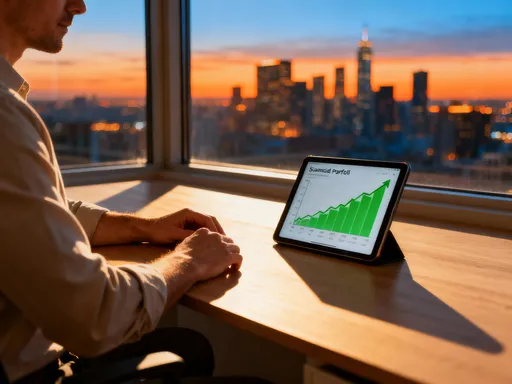
What if your home office could do more than just host video calls? For years, I treated remote work as just a job setup—until I realized it’s also a financial opportunity. With flexible hours and saved commutes, I started redirecting time and money into smarter investments. This isn’t about get-rich-quick schemes; it’s about using professional discipline to build lasting value. I didn’t inherit wealth or land a windfall. Instead, I used the quiet consistency of remote work to create structure, reduce expenses, and grow assets gradually. The shift wasn’t dramatic overnight, but over time, small decisions compounded into real financial progress. Here’s how I turned my remote career into a personal finance advantage—without risking everything.
The Hidden Financial Edge of Remote Work
Remote work is often praised for comfort and flexibility, but its deeper value lies in reshaping personal finance. When I first transitioned to working from home, I noticed immediate savings: no fuel costs, fewer takeout lunches, and reduced spending on professional attire. These cuts weren’t drastic individually, but collectively, they freed up hundreds of dollars each month. More importantly, I regained time—nearly ten hours a week once lost to commuting and office routines. That time became my most valuable financial asset. Instead of filling it with passive scrolling or household chores, I began using it strategically. I scheduled financial education into my calendar, dedicating early mornings to reading market reports and midday breaks to reviewing investment platforms. This shift in mindset was pivotal: remote work wasn’t just a job format; it was a structural advantage that created space for wealth-building habits.
The financial benefits of remote work go beyond cost savings. They create an environment where disciplined financial behaviors can thrive. Without the social pressure to dine out or participate in after-work events, discretionary spending naturally declined. I found myself more in control of my daily choices, which translated into greater consistency with budgeting and saving. Additionally, the predictability of a remote income—especially in stable industries—allowed for more confident long-term planning. I no longer had to worry about fluctuating side gig earnings or irregular hours. This stability became the foundation for building a reliable investment strategy. By treating my remote income as both a paycheck and a platform for growth, I began allocating funds not just for living, but for compounding.
Another overlooked aspect is mental bandwidth. In-office environments often demand constant availability and social navigation, which can drain cognitive resources. Working remotely allowed me to preserve focus and direct it toward financial learning. I enrolled in online courses on personal finance, studied basic portfolio theory, and even explored tax optimization strategies—all during time I previously spent in transit or meetings. This self-directed education became a catalyst for smarter decisions. I stopped reacting to market headlines and started analyzing trends with a longer perspective. The autonomy of remote work, when paired with intention, transforms from a lifestyle perk into a strategic financial accelerator.
From Paycheck to Portfolio: Building Wealth with Discipline
Consistent income is a powerful tool, but only if managed with intention. My remote salary arrived reliably each month, yet early on, I struggled to make meaningful progress toward wealth. Like many, I let expenses expand to meet income, leaving little room for investment. The turning point came when I adopted a new rule: pay myself first. Before allocating funds for rent, groceries, or entertainment, I automatically transferred a fixed percentage of my paycheck into investment accounts. This small change created a psychological shift—money was no longer just for consumption, but for growth. I started viewing every dollar as a potential worker, one that could generate returns over time if deployed wisely.
I focused on long-term, low-maintenance investment vehicles that aligned with my risk tolerance. Instead of chasing volatile stocks or speculative assets, I built a foundation with low-cost index funds, which historically have delivered steady returns over decades. These funds offered broad market exposure without requiring constant monitoring or expert timing. I also allocated a portion to real estate investment trusts (REITs) and dividend-paying stocks, which provided passive income streams that could be reinvested. The goal wasn’t to beat the market each quarter, but to participate in its long-term upward trend. By staying invested through market cycles, I benefited from dollar-cost averaging—buying more shares when prices were low and fewer when high—without having to predict movements.
Discipline was essential during periods of uncertainty. When markets dipped, fear tempted me to pull out, but I reminded myself that volatility is not the same as loss. I reviewed my asset allocation quarterly and rebalanced when necessary, ensuring I didn’t drift too far from my target mix. Over five years, this methodical approach turned modest monthly contributions into a portfolio that significantly outpaced inflation. The power wasn’t in any single decision, but in the consistency of repeating the right behaviors. Wealth wasn’t built in a moment; it was earned through patience, automation, and a refusal to let emotion override strategy.
Risk Control: Protecting Gains Without Killing Momentum
Early in my investment journey, I made the mistake of underestimating risk. Excited by stories of rapid gains, I allocated too much to a single tech stock that had been performing well. When the sector corrected, my portfolio dropped sharply. That experience was a wake-up call: growth without protection is fragile. I realized that preserving capital is just as important as growing it. Since then, I’ve prioritized risk management as a core pillar of my strategy. This doesn’t mean avoiding risk altogether—smart investing requires some exposure—but rather controlling it through structure and planning.
I now use several proven techniques to limit downside exposure. First, I apply position sizing, ensuring no single investment exceeds a small percentage of my total portfolio. This prevents any one loss from having a catastrophic impact. Second, I employ stop-loss orders on certain holdings, which automatically sell an asset if it falls below a predetermined price. While I don’t use this on long-term index funds, it helps manage risk in more volatile positions. Third, I rebalance my portfolio at least twice a year, selling overperforming assets and buying underrepresented ones to maintain my target allocation. This forces me to “sell high and buy low” systematically, counteracting emotional impulses.
Another critical layer of protection is the emergency fund. I maintain three to six months’ worth of living expenses in a high-yield savings account, completely separate from my investment accounts. This buffer ensures I never have to liquidate investments during a market downturn to cover unexpected costs. It also gives me the psychological freedom to stay invested through volatility. Knowing I have liquidity for emergencies allows me to focus on long-term goals without panic. Risk control isn’t about fear—it’s about preparation. By building safeguards into my financial plan, I can pursue growth with confidence, knowing I have systems in place to weather inevitable market fluctuations.
Time as Currency: Leveraging Flexibility for Financial Gains
One of the most underappreciated advantages of remote work is control over time. In a traditional office, hours are rigid, and personal projects often get pushed to weekends or evenings. Remote work changed that for me. I began treating time as a currency—something to be invested as carefully as money. I blocked out specific hours each week for financial tasks: Monday mornings for reviewing spending, Wednesday afternoons for market updates, and Sunday evenings for long-term planning. These appointments were non-negotiable, just like client meetings. Over time, this routine transformed financial management from a sporadic chore into a disciplined practice.
I also used my flexibility to deepen my financial knowledge. Instead of defaulting to passive entertainment during breaks, I listened to podcasts on economic trends, read books on behavioral finance, or completed modules in online certification programs. This continuous learning helped me make more informed decisions and avoid common pitfalls. For example, understanding the concept of cognitive bias helped me recognize when I was holding onto a losing investment due to emotional attachment rather than logic. Knowledge became a form of leverage—each insight improved the quality of my choices.
Quarterly financial check-ins became a cornerstone of my strategy. During these sessions, I reviewed performance, adjusted goals, and evaluated new opportunities. I asked questions like: Is my asset allocation still aligned with my risk tolerance? Are there tax-efficient ways to restructure holdings? Could any side income be automated? These reflections kept me proactive rather than reactive. The freedom of remote work made this level of engagement possible. Without rigid schedules, I could dedicate focused time to financial growth—something many office-bound professionals struggle to find. Time, when used intentionally, becomes one of the most powerful tools for building wealth.
Smart Tools and Platforms That Make a Difference
Technology has been a quiet enabler in my financial journey. Early on, I relied on spreadsheets and memory to track expenses and investments. While functional, this approach was time-consuming and prone to errors. As my portfolio grew, I realized I needed better tools. I began exploring integrated financial platforms that could sync data from multiple accounts—banking, retirement, brokerage, and credit cards—into a single dashboard. This gave me a real-time view of my net worth and cash flow, eliminating guesswork and improving accuracy.
I selected platforms based on security, ease of use, and automation features. The ability to set up automatic alerts for unusual spending, low balances, or market movements helped me stay informed without constant monitoring. I also used budgeting tools that categorized expenses and projected future spending based on historical patterns. These insights allowed me to identify leaks—like recurring subscriptions I no longer used—and redirect that money toward investments. Automation extended to investing itself: I set up recurring transfers to my brokerage and retirement accounts, ensuring consistency even during busy periods.
While no app replaces sound judgment, reliable technology reduces friction and cognitive load. It allows me to focus on strategy rather than data entry. For example, tax-loss harvesting features in some platforms helped me offset gains with losses, improving after-tax returns. Portfolio analysis tools highlighted diversification gaps, prompting me to adjust allocations before imbalances grew. The right tools don’t guarantee success, but they support better decision-making by providing clarity and efficiency. In the hands of a disciplined user, technology becomes a force multiplier for financial progress.
Avoiding Common Traps in the Remote Investor Mindset
Working remotely offers many advantages, but it also introduces unique psychological challenges. Without the natural accountability of an office environment, it’s easy to fall into isolation-driven decision-making. I’ve learned this the hard way. There was a period when I held onto a declining stock far too long, convincing myself it would recover. Without colleagues to challenge my thinking, I lacked external perspective. By the time I sold, the loss was deeper than it needed to be. This experience taught me that discipline must include mechanisms for self-correction.
Another common trap is chasing trends without understanding them. Remote workers, especially those with flexible schedules, may feel tempted to act on every market headline or social media buzz. I once considered investing in a cryptocurrency simply because it was trending, but paused and asked: Do I understand how this technology works? What are the risks? Who are the key players? When I couldn’t answer clearly, I walked away. That moment reinforced the importance of due diligence over impulse. Just because something is popular doesn’t mean it’s suitable for your goals.
To stay grounded, I built in checks and balances. I identified a financially savvy friend as an informal advisor—someone I could discuss decisions with before acting. I also established predefined rules, such as never investing more than a set percentage in a single asset or requiring a 48-hour cooling-off period before making significant trades. These safeguards helped counteract emotional biases. The solitude of remote work can amplify overconfidence or hesitation; introducing structure and external input keeps decisions balanced and rational.
Long-Term Vision: Turning Professional Stability into Lasting Wealth
Financial success isn’t measured by short-term spikes, but by sustained, compounding growth. My remote career has provided the stability needed to focus on long-term wealth rather than immediate gratification. By aligning income, time, and discipline, I’ve created a system where small, consistent actions lead to meaningful results over years. I no longer measure progress by monthly statements alone, but by the increasing resilience of my financial foundation. Each decision—whether to save an extra hundred dollars, learn a new concept, or rebalance a portfolio—contributes to a larger trajectory of security and independence.
This journey hasn’t been about perfection. There have been missteps, market downturns, and moments of doubt. But persistence has been the differentiator. The flexibility of remote work didn’t automatically create wealth; it created the conditions for it. I had to actively choose to use that flexibility wisely—by investing time in learning, automating good habits, and staying disciplined through uncertainty. The tools and opportunities are accessible to anyone in a similar position. It doesn’t require a high income or specialized knowledge, but it does require intention and consistency.
Looking ahead, my focus remains on sustainability. I continue to refine my strategy, adapt to life changes, and prioritize long-term value over short-term excitement. The goal isn’t to amass wealth for its own sake, but to create freedom—the freedom to make choices without financial pressure, to support loved ones, and to live with greater peace of mind. For remote professionals willing to take control, the path to lasting wealth isn’t hidden. It’s built, one deliberate step at a time.