Art on the Edge of the World: Reykjavik’s Creative Soul Uncovered
You know what? Reykjavik isn’t just lava fields and puffins — it’s a living canvas. I never expected to fall head over heels for a city so quietly bold. From street art tucked between colorful houses to galleries glowing under the midnight sun, art here breathes life into every corner. This is more than sightseeing — it’s feeling the pulse of a culture that turns cold winds into creativity. In a place where darkness lasts for months and nature dominates every horizon, human expression has learned not just to survive, but to thrive. Reykjavik’s art scene is not confined to white-walled galleries; it pulses through alleyways, warms café corners, and sings from architectural masterpieces. It’s intimate, accessible, and deeply woven into daily life — a testament to how creativity can bloom even at the edge of the world.
The Artistic Pulse of a Compact Capital
Reykjavik’s charm lies in its scale — a capital city with the soul of a village. With fewer than 130,000 residents in the greater metropolitan area, it’s small enough that you can walk from the harbor to the highest hill in under an hour. This compactness creates an unusually intimate relationship between people and public art. Unlike larger cities where culture is segmented into districts, Reykjavik’s creative energy spills naturally across neighborhoods. A mural appears on the side of a laundromat, a sculpture stands beside a playground, and poetry is etched into sidewalk plaques near bus stops. The city does not separate art from life; instead, it integrates the two, making creativity a quiet companion in everyday routines.
This artistic integration did not happen by accident. Reykjavik’s cultural richness grew from necessity. Isolated on an island in the North Atlantic, with long, dark winters and limited resources, Icelanders have long turned inward — to storytelling, music, and visual expression — as forms of resilience. For centuries, survival depended on community and imagination. Today, that legacy lives on in the way locals support independent artists, attend small exhibitions, and celebrate national holidays with public performances. The city’s artistic identity is not performative; it’s organic, rooted in a deep-seated need to make meaning out of isolation and light.
Moreover, Reykjavik’s creative ecosystem benefits from strong public investment in the arts. The Icelandic government allocates consistent funding to cultural initiatives, and municipal programs support artist residencies, public installations, and community workshops. This support ensures that art remains accessible rather than exclusive. Galleries often offer free entry, and many events are designed to be family-friendly. The result is a city where art is not reserved for elites but shared like bread at a kitchen table — warm, nourishing, and meant for everyone.
Exploring Reykjavik’s Street Art Scene
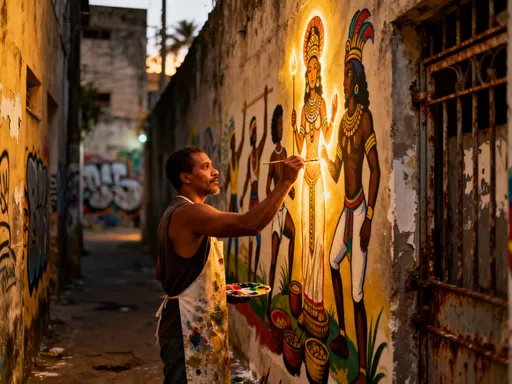
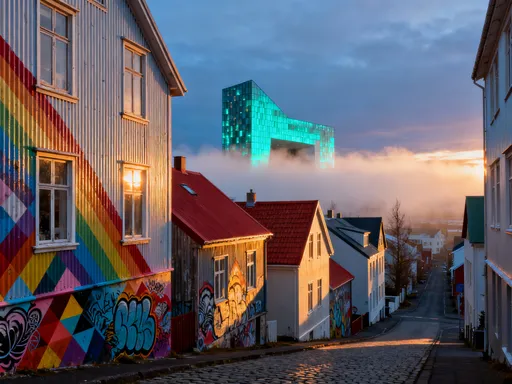
One of the most vibrant ways to experience Reykjavik’s creative spirit is through its street art. Far from being mere graffiti, the city’s outdoor murals are thoughtful, often poetic expressions of identity, politics, and humor. While some pieces are commissioned by the city, others emerge spontaneously, reflecting the mood of the moment. The east side of town, particularly around Hlemmur and Laugavegur, serves as a living gallery. Here, buildings become canvases, and alleyways turn into open-air exhibitions. A giant whale swims up the side of a former bus depot; a woman with fiery hair stares down from a rooftop; geometric patterns dance across corrugated metal walls.
What sets Reykjavik’s street art apart is its impermanence. Unlike museum works preserved behind glass, these pieces evolve. Some last only weeks before being painted over, while others become beloved landmarks. This fluidity mirrors the city’s attitude toward creativity — not as something fixed, but as a dynamic conversation. Artists respond to social issues, seasonal changes, and even weather conditions. During the winter, when daylight barely appears, reflective paints and illuminated installations gain prominence, ensuring that art remains visible even in the longest nights.
Seasonal events further animate the streets. Every August, Culture Night transforms the entire city into a stage. Streets close to traffic, stages pop up in parks, and artists open their studios to the public. Murals are unveiled, light projections dance across facades, and children paint alongside professionals. Another annual highlight is the lighting of the Imagine Peace Tower, a tribute to John Lennon initiated by Yoko Ono. Located on Viðey Island just off the coast, the tower sends a vertical beam of light into the sky each October, symbolizing hope and unity. Though not within the city center, its presence is felt across Reykjavik, inspiring both artists and citizens alike.
Indoor Sanctuaries: From Design Shops to Art Cafés
While the outdoors brim with expression, Reykjavik’s interior spaces offer quieter, more contemplative encounters with art. The city excels at blending commerce with culture, turning shops and cafés into intimate galleries. Concept stores like Kiosk and Icelandic Design Ltd are more than retail outlets — they are curated spaces where design, craftsmanship, and storytelling converge. Shelves display hand-thrown ceramics with glazes mimicking glacial ice, wool sweaters patterned with ancient Norse symbols, and jewelry forged from volcanic rock and silver. Each item carries a narrative, often explained by the shopkeeper or displayed on small cards nearby.
These spaces redefine what leisure can be. Instead of shopping as a transaction, it becomes an act of cultural engagement. Visitors learn about Icelandic materials, traditions, and contemporary interpretations. Many of the artists represented are local, and profits often go directly back into the creative community. By supporting these stores, tourists contribute to a sustainable ecosystem where art is valued not just aesthetically, but economically and socially.
Cafés play an equally important role. Places like Reykjavik Roasters and Cafe Babalú regularly host rotating art exhibitions. A photograph of a frozen waterfall might hang beside your table; a series of abstract paintings could line the staircase to the restroom. The experience is effortless — you sip your coffee, read a book, and slowly absorb the work around you. There’s no pressure to “understand” the art; simply being in its presence is enough. These venues prove that culture doesn’t require grand gestures. It can flourish in the soft hum of a coffee grinder, the clink of a spoon, and the quiet glance at a painting between sips.
Museums That Feel Like Conversations
Reykjavik’s museums reject the idea that art must be silent or distant. Rather than imposing strict rules or sterile environments, they invite interaction, reflection, and even debate. The Reykjavik Art Museum, with multiple locations across the city, exemplifies this approach. The Hafnarhús branch, housed in a former harbor warehouse, focuses on contemporary Icelandic art. Inside, you’ll find everything from satirical sculptures made of recycled materials to immersive video installations exploring climate change. The tone is often playful, sometimes provocative, but always grounded in local reality.
What makes Hafnarhús stand out is its accessibility. Clear signage, multilingual descriptions, and open layouts ensure that visitors of all backgrounds feel welcome. Families with children, elderly couples, and solo travelers move through the space at their own pace. Staff members are approachable, often engaging in conversation rather than enforcing silence. Temporary exhibitions frequently include interactive elements — touchscreens, audio guides featuring artist interviews, or seating areas where guests can sketch or write reflections. This human-centered design transforms the museum from a repository of objects into a living dialogue.
Another gem is Ásmundarsafn, dedicated to the sculptor Ásmundur Sveinsson. Nestled in a quiet park near the city center, the museum features both indoor galleries and an outdoor sculpture garden. Here, bronze figures — dancers, animals, mythological beings — stand among moss-covered rocks and native plants. The landscape itself becomes part of the exhibit, blurring the line between nature and art. The surrounding garden encourages slow walking, quiet observation, and moments of personal connection. Unlike crowded urban museums, Ásmundarsafn offers solitude without loneliness, making it ideal for those seeking depth over spectacle.
Harpa Concert Hall: Where Light, Sound, and Architecture Merge
No symbol captures Reykjavik’s artistic soul quite like Harpa Concert Hall. Rising from the waterfront like a crystalline fortress, its glass facade is inspired by Iceland’s basalt column formations — a nod to the island’s volcanic origins. Designed in collaboration with artist Ólafur Elíasson, the façade consists of hundreds of geometric panels that shift color with the light, creating a kaleidoscope effect throughout the day. In winter, when sunlight is scarce, the building glows from within, becoming a beacon of warmth and creativity.
Inside, Harpa is equally breathtaking. Home to the Iceland Symphony Orchestra and host to a wide range of performances — from classical recitals to indie rock concerts — the acoustics are exceptional. Even if you don’t attend a show, stepping into the atrium is an experience in itself. The interplay of light, glass, and shadow creates a constantly changing environment. Visitors often sit on the steps or lean against the railings, simply watching the colors dance across the walls. It’s a place where architecture doesn’t just house art — it becomes art.
Harpa’s programming reflects Reykjavik’s cultural diversity. While deeply rooted in Icelandic traditions, it also embraces global influences. International artists perform alongside local acts, and educational events introduce schoolchildren to music and performance. The hall also hosts public lectures, film screenings, and art installations, making it a true community hub. Whether you’re attending a concert or just passing through, Harpa reminds you that beauty and function can coexist — that a building can be both practical and poetic.
Hidden Creative Corners Beyond the Center
While downtown Reykjavik offers plenty, some of the most rewarding artistic experiences lie just beyond the main tourist routes. One such destination is Marshall House, located in the old fish-packing district of Grandi. Once an industrial site, it has been transformed into a thriving arts complex. Inside, you’ll find artist studios, exhibition spaces, pop-up galleries, and performance venues. The atmosphere is raw and authentic — paint splatters mark the floors, and the scent of turpentine lingers in the air. Unlike polished institutions, Marshall House feels alive with process, not just product.
Visitors can attend open studio days, where artists welcome questions and share their techniques. Some studios specialize in printmaking, others in textile art or digital media. The space also hosts live music, poetry readings, and experimental theater. Because it’s less frequented by tourists, interactions feel more personal. You might find yourself discussing color theory with a painter over coffee or watching a dancer rehearse in a sunlit studio. Marshall House proves that creativity thrives not only in perfection but in mess, in risk, in the unfinished.
Another quiet sanctuary is the Nordic House, a cultural institution promoting collaboration among Nordic countries. Designed with minimalist elegance, its architecture emphasizes light, space, and simplicity. Exhibitions often explore themes of identity, sustainability, and shared heritage. Past shows have included Sami textile art, Finnish design innovations, and collaborative photography projects from across the Arctic region. The building includes a library, a café, and a small auditorium, making it a place for both learning and relaxation. Its location — slightly removed from the city center — adds to its contemplative mood. Here, art is not rushed; it’s absorbed slowly, like tea sipped in silence.
How to Immerse Yourself in Reykjavik’s Art Culture (Without Being an Artist)
Engaging with Reykjavik’s art scene doesn’t require a background in fine arts or a formal invitation. The city is designed for participation, not observation. One of the simplest ways to connect is through walking. Put on comfortable shoes and wander without a strict itinerary. Let your curiosity guide you — pause at a mural, enter a small gallery, peek into a design shop. Often, the most memorable moments happen by accident: a conversation with a shop owner, a child’s drawing displayed in a café window, a street musician playing a haunting melody on a traditional instrument.
For a more structured experience, consider joining a guided art walk. Local organizations offer themed tours focusing on street art, design history, or women artists in Iceland. These walks are led by knowledgeable guides who provide context, share stories, and point out details you might otherwise miss. They’re also a great way to meet fellow travelers and locals who share your interests. Alternatively, download a cultural app like “Reykjavik Art Map” or check the city’s official tourism website for real-time updates on exhibitions, openings, and events.
Timing your visit around key cultural moments can deepen your experience. Culture Night in August is a must — the entire city comes alive with music, dance, and art. Another ideal time is DesignMarch, an annual festival celebrating Icelandic design across fashion, architecture, and product innovation. Even in winter, when days are short, the city hosts indoor events — from cozy book launches to intimate concerts in candlelit chapels. No matter when you come, there’s always something unfolding beneath the surface.
Why Reykjavik’s Art Is a Form of Belonging
In the end, Reykjavik’s art is not just something to see — it’s something to feel. It emerges from a culture that has learned to find light in darkness, warmth in cold, and connection in isolation. Art here is not a luxury reserved for special occasions; it is woven into the fabric of daily life. It’s in the way a baker decorates a cake with volcanic swirls, how a bus driver hums a folk song, or how neighbors gather to paint a community wall. Creativity is not separate from survival — it is survival.
To walk through Reykjavik is to be reminded that beauty matters — not because it’s extravagant, but because it sustains us. A mural can lift a mood on a gray day. A melody can bridge generations. A handmade bowl can carry the weight of history. The city teaches us that art is not about perfection, but about presence. It’s about showing up, expressing, and sharing — even when the world feels vast and indifferent.
So come for the landscapes, yes — the glaciers, the geysers, the northern lights. But stay for the soul. Let yourself be surprised by a poem on a park bench, moved by a sculpture in the rain, or delighted by a pop-up concert in a bookstore. In Reykjavik, art doesn’t wait behind velvet ropes. It walks beside you, whispers in your ear, and invites you in. And in that invitation, you may just find a deeper sense of belonging — not only to the city, but to the human spirit itself.