You Won’t Believe What Mendoza’s Culture Scene Is Hiding
Mendoza isn’t just about wine—it’s a cultural heartbeat pulsing through sunlit plazas and street-corner art. I went expecting vineyards and left stunned by poetry readings, local fiestas, and artisans shaping tradition with their hands. This city breathes creativity in ways no guidebook prepares you for. If you think Argentine culture stops at tango and beef, it’s time to rethink everything.
The Soul of Mendoza: Beyond the Vineyards
Mendoza is often celebrated as the heart of Argentina’s wine country, but to reduce it to vineyards and Malbec would be to miss its deeper rhythm. This city, nestled at the base of the Andes, carries a cultural identity shaped by centuries of migration, indigenous heritage, and a resilient spirit born from living in the shadow of mountains and seismic earth. Founded in the 16th century and rebuilt after a devastating earthquake in 1930, Mendoza’s urban design reflects both history and intention—wide, tree-lined avenues shaded by sycamores and poplars, Spanish colonial architecture softened by time, and plazas that function as living rooms for the community. These public spaces are not merely decorative; they are stages where daily life unfolds in full cultural expression.
What sets Mendoza apart is the authenticity of its cultural offerings. Unlike destinations where traditions are packaged for tourists, here, visitors are gently woven into the fabric of local life. A Sunday in Plaza Independencia isn’t a performance—it’s a genuine gathering of families, musicians, and elders sharing mate under the shade of百年-old trees. The city’s layout encourages connection: low-rise buildings, pedestrian-friendly streets, and an abundance of green spaces invite lingering and interaction. This accessibility fosters a sense of intimacy, allowing travelers to experience culture not as spectators, but as participants.
The city’s identity is also shaped by its diverse roots. Italian, Spanish, and Chilean influences blend with indigenous Mapuche and Diaguita traditions, creating a unique cultural mosaic. This fusion is evident in the food, music, and craftsmanship found throughout the region. Even the local accent carries a distinctive cadence, softer and more melodic than in other parts of Argentina. For the discerning traveler, Mendoza offers not just scenic beauty, but a chance to engage with a community that takes pride in preserving its heritage while embracing modern expression.
Street Art That Speaks: Murals as Local Stories
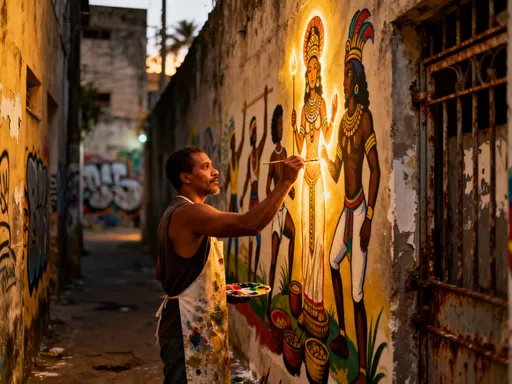
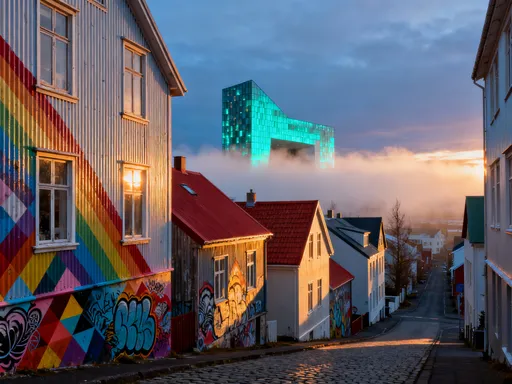
One of the most striking aspects of Mendoza’s cultural landscape is its vibrant street art scene. Far from mere decoration, the city’s murals serve as open-air chronicles of social memory, resistance, and identity. Neighborhoods like Ciudad Vieja and Barrancas have become living galleries where walls tell stories of migration, environmental awareness, indigenous rights, and historical events. These artworks are not commissioned by tourism boards; they emerge from local collectives, often in collaboration with community organizations, making them deeply rooted in the concerns and dreams of the people.
Walking through the streets of Ciudad Vieja, one might encounter a towering mural depicting a Mapuche elder surrounded by native flora, her eyes reflecting both wisdom and warning. Another, in the Barrancas district, portrays a woman weaving a tapestry that doubles as a map of the region, symbolizing the interconnection of land, labor, and culture. These are not random images—they are deliberate narratives painted with intention. The use of bold colors, symbolic motifs, and indigenous patterns transforms ordinary buildings into powerful statements of identity and continuity.
For visitors, engaging with this art form can be both enriching and enlightening. Self-guided walking routes allow exploration at one’s own pace, while occasional guided tours led by local artists offer deeper context. These tours, sometimes organized by cultural centers or universities, provide insight into the techniques, materials, and meanings behind the murals. Travelers learn not only about artistic expression but also about contemporary social issues in Argentina—land rights, water conservation in an arid region, and the preservation of native languages.
What makes Mendoza’s street art particularly compelling is its impermanence. Unlike museum pieces, these works evolve, fade, or are painted over, reflecting the dynamic nature of culture itself. This transience invites repeat visits, each time revealing new layers of meaning. For the thoughtful traveler, these murals are not just visual treats—they are invitations to listen, reflect, and connect with the soul of the city.
Fiestas, Music, and Dance: When the City Comes Alive
If there is a moment when Mendoza’s spirit shines brightest, it is during its festivals. Chief among them is the Fiesta Nacional de la Vendimia, held every February, which transforms the city into a grand stage of music, dance, and communal celebration. While rooted in the wine harvest, the festival is far more than an agricultural event—it is a cultural extravaganza that draws thousands from across the country. The week-long celebration culminates in a spectacular open-air performance at the Greek Theater of Independencia Park, where folk dancers, orchestras, and theatrical troupes honor the land, labor, and legacy of the region.
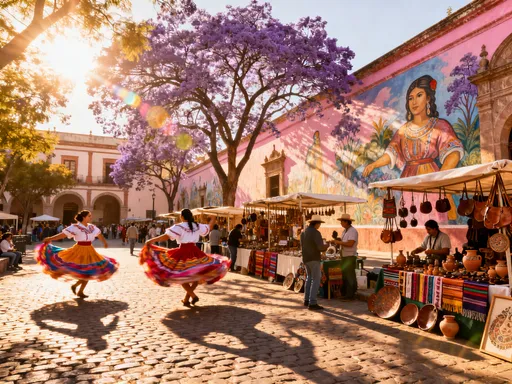
But the cultural calendar doesn’t end there. Throughout the year, neighborhood ferias artesanales—artisan fairs—bring local traditions to life in smaller, more intimate settings. These gatherings feature live música folklórica, a genre that varies by region but in Mendoza often includes rhythms like zamba, chacarera, and cueca. These dances, performed in traditional attire, are not mere displays; they are acts of cultural preservation. The slow, graceful movements of the zamba, for instance, tell stories of courtship and longing, while the energetic chacarera reflects the joy of rural life.
Travelers need not wait for a festival to experience this cultural richness. Public squares often host impromptu performances, especially on weekends. In Plaza Chile, it’s common to find a group of musicians playing the bombo legüero, charango, and quena—traditional Andean instruments—while locals dance in a circle. These moments are spontaneous, unscripted, and deeply welcoming. Visitors are often invited to join, even if they don’t know the steps. A smile, an open posture, and a willingness to participate are all that’s needed.
For those planning a visit, timing is key. Spring (September to November) and early autumn (February to April) offer the most vibrant cultural calendar. February, in particular, is ideal for experiencing Vendimia in full swing. But even in quieter months, cultural life persists in smaller venues—community centers, local bars, and university campuses. The key is to stay curious, ask locals for recommendations, and remain open to unexpected encounters. Mendoza’s music and dance are not confined to stages; they are woven into the rhythm of everyday life.
Artisan Markets and Craft Traditions
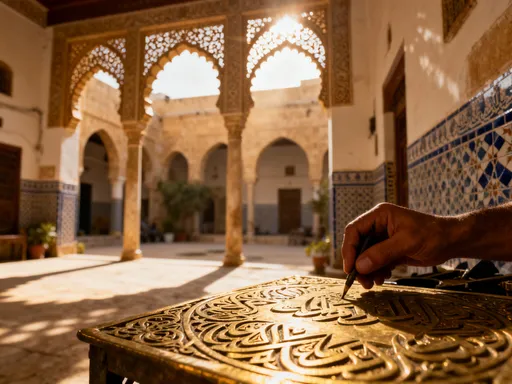
No exploration of Mendoza’s culture is complete without encountering its artisans. In markets like Mercado Central and the craft fairs held in Parque General San Martín, visitors find tangible expressions of regional identity. Here, potters shape clay into Andean-inspired ceramics, weavers create textiles adorned with Mapuche patterns, and leatherworkers craft cuero goods—belts, bags, and boots—using techniques passed down through generations. These items are not souvenirs in the mass-produced sense; they are artifacts of a living tradition, each piece carrying the imprint of its maker.
The cultural significance of these crafts runs deep. Mapuche textiles, for example, are more than decorative; their geometric designs often encode spiritual beliefs, family lineage, or natural elements like water and wind. Similarly, Andean ceramics frequently feature motifs tied to agricultural cycles and mountain deities, reflecting a worldview in which humans are part of a larger ecological system. Even the use of natural dyes—derived from plants, minerals, and insects—speaks to a sustainable relationship with the environment, a necessity in a region where resources are precious.
Travelers have meaningful ways to engage with this craft culture beyond shopping. Some artisans offer short workshops—lasting an hour or two—where visitors can try their hand at weaving, pottery, or leather stamping. These experiences, while brief, provide insight into the skill and patience required to create such work. They also foster a deeper appreciation for the value of handmade goods in an age of mass production. Supporting these artisans directly—by purchasing their work or participating in their classes—contributes to the sustainability of these traditions.
When visiting these markets, it’s important to approach with respect. Bargaining is not customary in most settings; prices are typically fair and reflect the time and materials invested. A simple “hermoso” (beautiful) or “muy bien hecho” (very well made) goes a long way in building connection. Many artisans welcome conversation, and some speak enough English to share the story behind their craft. These interactions, brief as they may be, often become the most memorable moments of a trip—a reminder that culture is not just seen, but shared.
Cafés, Poetry, and the Literary Pulse
Beneath Mendoza’s festive exterior lies a quieter, introspective cultural current: its literary life. The city has long been a haven for writers, poets, and intellectuals, a tradition nurtured by its universities and historic cafés. In places like Café Filmar or La Azotea, it’s not uncommon to find small groups gathered for poetry readings, literary debates, or book launches. These events, often free and open to the public, reflect a deep-seated respect for language and thought—a cultural value that runs parallel to the more visible expressions of music and dance.
The atmosphere in these spaces is warm and inclusive. Patrons sip coffee or mate while listening to verses in Spanish, sometimes accompanied by guitar or soft instrumental music. The themes vary—love, identity, social justice, the Andean landscape—but the tone is consistently reflective. Local poets often draw inspiration from Argentine literary giants like Jorge Luis Borges or Alfonsina Storni, but they also write in dialogue with contemporary issues, from environmental concerns to the challenges of rural life. This blend of tradition and modernity gives Mendoza’s literary scene its distinctive voice.
For visitors, a self-guided “literary walk” can be a rewarding way to experience this culture. Starting at the historic Biblioteca Pública Provincial, one can move through cultural centers like the Centro de las Artes or the university’s extension buildings, where posters often advertise upcoming readings or exhibitions. Many of these spaces have reading rooms or small bookshops selling works by local authors. Even without understanding every word, the rhythm of the language, the passion of the readers, and the quiet concentration of the audience create a powerful sense of connection.
While English-language events are rare, the experience transcends language barriers. The act of gathering to share stories—whether through poetry, conversation, or silence—speaks to a universal human need for meaning and community. In a world that often feels hurried and fragmented, Mendoza’s literary culture offers a space to pause, reflect, and listen. It’s a reminder that culture is not only loud and colorful, but also soft, deep, and enduring.
Religion and Tradition: Churches, Festivals, and Community Life
Religion in Mendoza is not confined to Sunday services; it is woven into the rhythm of daily life and seasonal celebration. While Catholicism remains a dominant influence, it blends seamlessly with indigenous beliefs and local customs, creating a unique spiritual landscape. This fusion is most visible during religious festivals, particularly Holy Week and the harvest-related celebrations that culminate in Vendimia. During these times, churches become centers of community activity, hosting processions, communal meals, and cultural performances that draw people of all ages.
The Basílica de San Francisco, with its neoclassical façade and serene interior, stands as both a place of worship and a cultural landmark. Its bell tower, visible from much of the city, marks the passage of time and the continuity of tradition. Inside, religious art—paintings, sculptures, and stained glass—tells biblical stories through a distinctly Argentine lens, often incorporating local landscapes and faces. The church also hosts concerts and exhibitions, reflecting its role as a hub of broader cultural life.
For visitors, observing these traditions requires sensitivity and respect. Attending a Holy Week procession, for example, is not a tourist attraction but a sacred event. The best approach is quiet observation—dressing modestly, speaking softly, and refraining from intrusive photography. Many locals welcome respectful presence, recognizing that interest in their traditions can foster mutual understanding. In some cases, community leaders may invite visitors to share a meal or explain the significance of a ritual, but such invitations should never be assumed.
The blending of Catholic and indigenous traditions is particularly evident in rural areas surrounding Mendoza, where festivals often include offerings to Pachamama (Mother Earth) alongside Mass. These practices reflect a worldview in which spiritual and natural realms are interconnected. For the culturally curious traveler, these moments offer a profound glimpse into a way of life that values harmony, gratitude, and continuity. They remind us that culture is not static—it evolves, adapts, and endures through the quiet acts of faith and community.
Planning Your Cultural Journey: When, How, and What to Bring
To fully experience Mendoza’s cultural richness, thoughtful planning is essential. The best times to visit are during spring (September to November) and early autumn (February to April), when the weather is mild and the cultural calendar is fullest. February, in particular, is ideal for witnessing the Fiesta Nacional de la Vendimia in its full glory. However, even in off-peak months, the city offers ample opportunities for cultural engagement—from weekly artisan fairs to regular poetry readings and music performances.
Getting around Mendoza is both easy and enjoyable. The city is compact and walkable, especially in the central districts where most cultural sites are concentrated. Biking is another excellent option; dedicated bike lanes and rental services make it simple to explore at your own pace. For destinations slightly farther out, such as rural vineyards or artisan villages, local buses are reliable and affordable. Taxis and ride-sharing services are also available, but walking or cycling allows for a more immersive experience, enabling spontaneous discoveries along tree-lined streets and quiet plazas.
When packing, consider both practicality and cultural sensitivity. Comfortable walking shoes are a must, as are layers to accommodate temperature shifts between day and night. For visits to churches or religious events, modest clothing—covering shoulders and knees—is appropriate. While many locals speak some English, learning a few basic Spanish phrases—such as “buenos días,” “gracias,” and “¿dónde está…?”—can enhance interactions and show respect for the culture. Carrying cash is advisable, especially for small purchases at markets or from street vendors, as not all accept cards.
Most importantly, come with an open heart and a willingness to engage. Mendoza’s culture is not something to be consumed quickly; it invites slowing down, listening, and connecting. Put away the checklist mentality. Instead, allow yourself to be drawn into a conversation, to linger at a café, to watch a dance without rushing to photograph it. These moments of presence are where true cultural exchange happens. And in that exchange, travelers don’t just see Mendoza—they begin to feel it.
Mendoza’s culture isn’t something you just see—it’s something you feel, hear, and live. From the rhythm of folk drums to the quiet pride in a handwoven scarf, this city invites you to slow down and connect. Travel isn’t just about places; it’s about people and their stories. And in Mendoza, those stories are waiting, vibrant and real, just beyond the wine glass.