You Won’t Believe These Hidden Architectural Gems in Bariloche
Nestled among snow-capped peaks and pristine lakes, Bariloche, Argentina, is more than just a postcard-perfect escape. I was blown away by its unexpected architectural charm—Swiss-style chalets meet Patagonian stone cabins, blending history and nature in stunning ways. If you’re planning a trip, understanding these unique designs isn’t just eye candy—it enhances your entire experience. Let me show you the real magic behind the mountains. This alpine town, perched on the shores of Nahuel Huapi Lake, offers a rare fusion of European craftsmanship and Andean resilience. Every building tells a story of adaptation, beauty, and deep respect for the environment. As we journey through Bariloche’s architectural wonders, you’ll discover not only what makes its skyline so distinctive but also how to truly connect with its soul.
Arrival with a View: First Impressions of Bariloche’s Cityscape
As travelers approach Bariloche from the winding mountain roads, the first glimpse of the city unfolds like a scene from a storybook. The skyline rises gently against the backdrop of the Andes, where snow-dusted summits mirror their reflection in the glassy surface of Nahuel Huapi Lake. What stands out immediately is the harmony between built and natural environments—Bariloche does not impose itself on the landscape; it belongs to it. The city’s architecture greets visitors with a sense of warmth and intimacy, thanks to its signature use of wood, stone, and sloping roofs designed to withstand heavy Patagonian winters.
Unlike many towns in the region, Bariloche’s urban design reflects a deliberate aesthetic vision rooted in early 20th-century planning. Wide, tree-lined avenues such as Avenida Bustillo guide the eye toward panoramic lake views, while low-rise buildings maintain an unobstructed visual connection to the surrounding mountains. These structures—many with exposed timber frames, hand-carved balconies, and stone foundations—create a rustic-luxe atmosphere that feels both grand and welcoming. The color palette is muted yet rich: deep browns, warm reds, and natural grays echo the forest and rock formations nearby, reinforcing the town’s integration into its environment.
The cityscape also reveals a thoughtful balance between public and private spaces. Plazas like Plaza San Carlos serve as social hubs framed by low buildings with wide eaves and wooden shutters, inviting passersby to pause and take in the surroundings. Even commercial zones maintain architectural consistency, avoiding the cluttered signage or concrete facades common in other tourist destinations. This cohesion is no accident—it stems from municipal guidelines that preserve Bariloche’s unique character, ensuring new developments respect traditional materials and forms. As a result, arriving in Bariloche feels less like entering a resort town and more like stepping into a living, breathing alpine community shaped by decades of intentional design.
The Swiss Legacy: How European Settlers Shaped Bariloche’s Look
Bariloche’s distinctive architectural identity owes much to the wave of European immigrants who settled in the region during the early 1900s. Among them, Swiss and German families brought with them not only their traditions but also their building techniques, adapting Alpine styles to the rugged terrain of northern Patagonia. These settlers found in Bariloche’s forests and climate a familiar environment—dense woodlands, cold winters, and abundant rainfall—making their homeland’s designs not just nostalgic but practical. The result was a new vernacular: chalet-style homes with steeply pitched roofs, wide overhangs, and intricate woodwork, all constructed using local materials.
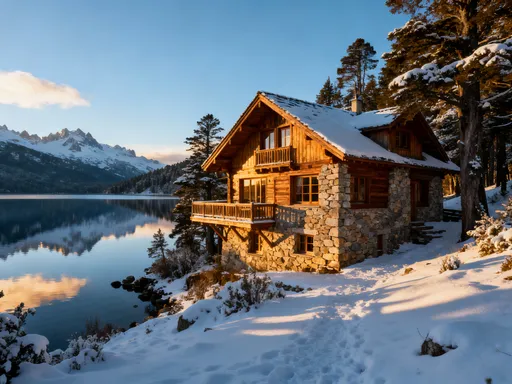
One of the most enduring legacies is the timber-framed house, often built with native lenga and coihue hardwoods. These woods, dense and resistant to moisture, proved ideal for withstanding Patagonia’s harsh weather. Builders replicated Swiss techniques such as Fachwerk—exposed wooden beams forming geometric patterns on exterior walls—but adapted them to local conditions by increasing wall thickness and using stone bases to protect against ground moisture. Gabled roofs, often covered in metal shingles to prevent snow accumulation, became a defining feature, while ornate carvings on eaves and balconies reflected both craftsmanship and cultural pride.
Neighborhoods like Centro and the lower slopes of Cerro Otto still showcase these historic homes, many of which have been preserved or carefully restored. Walking through these areas, one can see how early architects blended European aesthetics with Patagonian practicality. Some houses feature large south-facing windows to capture sunlight during long winters, a subtle yet effective passive heating strategy. Today, preservation societies and local governments work together to protect these structures, recognizing them as vital pieces of cultural heritage. This legacy is not frozen in time; it continues to inspire contemporary designs that honor tradition while embracing modern needs.
More Than Just Chalets: Unique Building Materials and Techniques
While the visual appeal of Bariloche’s architecture captures immediate attention, its true brilliance lies in how form follows function. Every design choice—from wall thickness to roof angle—responds to environmental challenges posed by high winds, heavy snowfall, and dramatic temperature shifts. The use of thick stone walls, for example, is not merely decorative; these masonry foundations provide thermal mass, absorbing heat during the day and releasing it slowly at night. Combined with tightly sealed wooden frames, this construction method creates naturally insulated interiors that remain comfortable year-round.
Local volcanic rock, quarried from nearby hills, is a staple in both historic and modern buildings. Its dark, textured appearance blends seamlessly with the forest floor, helping structures appear rooted in the landscape. Builders often layer this stone with precision, creating dry-stone walls that allow for slight movement without cracking—a crucial feature in a seismically active region. Above these sturdy bases, walls rise in native hardwoods, with joints carefully fitted to minimize air leakage. In older homes, artisans used hand tools to shape beams and planks, leaving behind subtle imperfections that add character and authenticity.
Roof design is equally strategic. Steep pitches ensure that snow slides off efficiently, reducing the risk of structural strain. Metal roofing, typically galvanized steel or copper, resists corrosion and lasts decades with minimal maintenance. Some modern homes incorporate double-layered roofs with ventilation gaps to prevent ice dams, a problem that can lead to water damage in poorly insulated attics. Even window placement follows strict logic: large panes face north to maximize solar gain, while smaller, double-glazed units on southern exposures reduce heat loss. These techniques, refined over generations, demonstrate how Bariloche’s builders prioritize durability, energy efficiency, and environmental sensitivity.
Iconic Structures You Can’t Miss (And Why They Matter)
Certain buildings in Bariloche have become symbols of the town’s architectural identity, drawing admiration not only for their beauty but for their historical and cultural significance. Among them, the Hotel Llao Llao stands as a crown jewel of Patagonian design. Perched on a peninsula overlooking Nahuel Huapi Lake, this luxury hotel was completed in 1939 under the vision of architect Alejandro Bustillo. Its grand scale and meticulous detailing—stone towers, wooden gables, and sweeping balconies—echo the grandeur of European alpine resorts, yet its materials and proportions are distinctly local. The hotel’s location was chosen to frame uninterrupted views of the lake and mountains, making it a masterpiece of site-specific architecture.
Another landmark is the San Carlos de Bariloche Cathedral, located in the heart of the city. Completed in 1947, this Romanesque-inspired church combines traditional stonework with soaring wooden trusses that evoke the interior of a great forest. The bell tower, clad in native wood and capped with a copper roof, rises above the treetops, serving as a visual anchor for the community. Inside, natural light filters through stained-glass windows depicting regional flora and fauna, connecting spiritual space with the surrounding ecosystem. Unlike ornate European cathedrals, this sacred space feels grounded and intimate, reflecting the values of simplicity and harmony central to Bariloche’s identity.
For those interested in civic architecture, the Circunvalación buildings—part of a mid-century urban development project—offer insight into how modernization respected tradition. These public structures, including libraries and cultural centers, use local stone and timber in clean, functional designs that avoid excess. Their low profiles and generous use of glass maintain visual continuity with the landscape, proving that progress need not come at the cost of beauty. To experience these sites without crowds, early morning visits are recommended, especially during shoulder seasons like late spring or early autumn when light enhances textures and colors.
Off-the-Beaten-Path: Discovering Hidden Architectural Details
Beyond the famous landmarks, Bariloche’s true architectural soul reveals itself in quieter corners. In residential neighborhoods like Loteo Perito Moreno and Las Viñas, homes blend heritage and modern comfort in understated yet meaningful ways. Here, craftsmanship is not reserved for show—it’s part of daily life. Walk along tree-shaded streets, and you’ll notice hand-carved doorways featuring motifs of local wildlife: condors, deer, and native flowers. Some gates are forged from iron in swirling patterns that echo mountain streams, while others are framed in wood with dovetail joints visible as a point of pride.
Artisan workshops tucked into backyard studios offer another layer of discovery. These small-scale spaces—often converted from old barns or storage sheds—showcase how traditional methods thrive in contemporary practice. One might find a woodworker restoring a historic beam using hand planes and chisels, or a stonemason shaping volcanic rock for a garden wall. These artisans often welcome curious visitors, especially during local craft fairs or open-studio events. Their work preserves techniques passed down through generations, ensuring that Bariloche’s architectural language remains alive and evolving.
Even everyday structures like bus stops, park shelters, and café kiosks reflect attention to detail. Many are built with reclaimed wood and feature sloped roofs that echo the chalet style. Benches are carved from single tree trunks, their natural curves providing ergonomic comfort. These small interventions demonstrate how design thinking extends beyond private homes into public life, creating a cohesive urban fabric that feels both functional and beautiful. For travelers, exploring these neighborhoods offers a more intimate understanding of how locals live in harmony with their environment and heritage.
Architecture Meets Nature: How Buildings Blend Into the Landscape
Perhaps the most remarkable aspect of Bariloche’s architecture is its seamless integration with the natural world. Rather than dominating the terrain, buildings are positioned to complement it—nestled into hillsides, aligned with tree lines, or elevated to preserve ground vegetation. Architects here operate under a philosophy of minimal intervention, prioritizing views, natural light, and environmental sustainability. This approach is evident in private homes tucked along the lake’s edge, where large glass facades dissolve the boundary between indoors and outdoors, allowing residents to wake up to mist rising off the water.
Elevated walkways and stilts are common in forested areas, reducing soil compaction and protecting root systems. Some homes are built on platforms that follow the slope of the land, eliminating the need for extensive excavation. Green roofs, planted with native grasses and wildflowers, help insulate buildings while restoring habitat for pollinators. Rainwater collection systems and solar panels are increasingly integrated into designs, reflecting a growing commitment to eco-conscious living. These features are not add-ons—they are fundamental to how architecture functions in this delicate ecosystem.
Public buildings follow similar principles. The Parque Nahuel Huapi visitor center, for instance, uses rammed earth walls and cross-ventilation to maintain stable temperatures without air conditioning. Its low profile ensures it doesn’t obstruct views, while large overhangs provide shade and shelter. Even signage is designed with discretion, using wood and stone to blend in rather than stand out. This deep respect for nature means that whether you’re hiking a trail or driving along the coast, structures appear as natural extensions of the landscape, enhancing rather than interrupting the experience.
Travel Tips: Experiencing Architecture Like a Local
To fully appreciate Bariloche’s architectural richness, it helps to slow down and observe with intention. Walking tours, especially those led by local guides, offer valuable context about materials, history, and design philosophies. Several companies offer themed itineraries focusing on heritage homes, modern eco-homes, or artisan districts. Morning walks along Avenida Bustillo provide excellent photo opportunities when light bathes the lakeside buildings in golden hues. For a more immersive experience, consider renting a bicycle to explore quieter neighborhoods at your own pace.
Timing also plays a role. Spring (October to November) and autumn (March to April) offer mild weather and fewer tourists, allowing for peaceful exploration of residential zones. During these months, flowering trees and changing leaves add seasonal color to the architectural palette. Attending local festivals, such as the National Chocolate Festival or the Craft Fair at Paseo de los Artesanos, provides a chance to see historic buildings repurposed as market halls and performance spaces. These events bring architecture to life, transforming static structures into vibrant community centers.
When visiting homes or workshops, always respect privacy—many are private residences, and signage often indicates restricted access. Instead of peeking over fences, engage with owners at public markets or cultural events where they may share stories about their homes. Dining choices also matter: cafés housed in restored wooden lodges, such as those near Cerro Campanario, offer authentic atmospheres where you can sip hot chocolate beneath hand-carved beams. Finally, support local artisans by purchasing handmade goods—wooden utensils, stone coasters, or woven textiles—that carry the spirit of Bariloche’s design tradition into your own home.
Bariloche’s architecture is not just background scenery—it’s a living narrative of culture, climate, and creativity. By noticing the details, you don’t just see the town; you feel its heartbeat. Whether you're sipping chocolate in a timber-walled café or hiking past a stone cabin tucked in the woods, every moment connects you to a deeper story. Let your next trip be more than a getaway—make it a journey through design.