You Won’t Believe What I Discovered in Windsor’s Hidden Cultural Gems
Windsor, UK, is more than just a royal backdrop—it’s a living canvas of culture waiting to be explored. I went looking for history and found soul-stirring art, intimate theaters, and centuries-old traditions thriving in plain sight. From candlelit courtyards to storytelling tucked inside ancient walls, my journey revealed a side of Windsor most tourists miss. This isn’t just about palaces; it’s about people, passion, and places pulsing with purpose. Beneath the grandeur of its crown jewels and ceremonial guards lies a town animated by creativity, community, and quiet resilience. What I discovered was not a museum piece frozen in time, but a vibrant cultural heartbeat that continues to evolve while honoring its roots.
Stepping Beyond the Castle: A Cultural Awakening
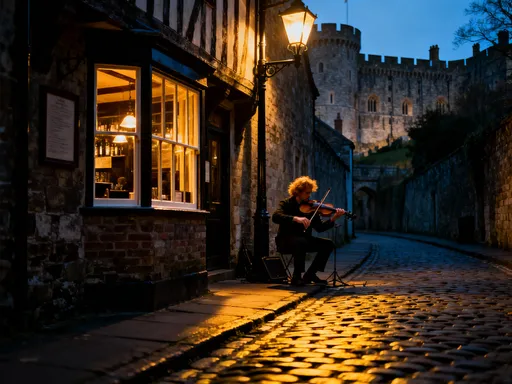
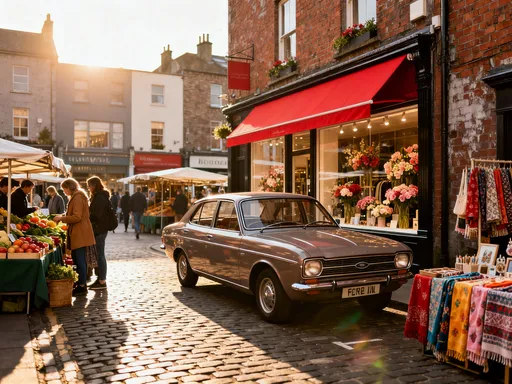
Windsor Castle dominates the skyline, and rightly so—it is one of the oldest and largest inhabited castles in the world, a symbol of continuity and tradition. Yet, as I wandered beyond its imposing stone walls, I realized that the true essence of Windsor’s culture unfolds not in the spotlight of royal pageantry, but in the quieter corners of daily life. The cobbled streets of the town center, lined with centuries-old buildings, host a rhythm all their own. Local artisans display handcrafted jewelry in boutique windows, independent bookshops offer curated selections of British literature, and street musicians bring melody to the morning air with violins and acoustic guitars.
What struck me most was how accessible this cultural richness felt. Unlike the formal atmosphere of the palace grounds, these spaces invite interaction. At the weekly market near the Guildhall, farmers and bakers sell goods grown and made locally, often sharing stories behind their produce. One vendor, a third-generation cheesemaker from Berkshire, explained how her family recipe had been passed down since the 1800s. These moments transform a simple stroll into a living archive of regional identity. It became clear that to experience Windsor fully, one must shift focus from the monumental to the intimate—from sightseeing to savoring.
This cultural awakening is not accidental. The town has long nurtured a balance between heritage preservation and creative expression. Public art installations, often temporary but always thought-provoking, appear along the Thames Path, reflecting seasonal themes or historical anniversaries. Community-led initiatives, such as open-studio weekends and local history walks, encourage residents and visitors alike to engage with the town’s layered narrative. By stepping beyond the castle, I didn’t leave history behind—I found a different version of it, one written in the voices of those who live it every day.
The Magic of St. George’s Chapel: Where History Sings
Within the castle’s vast grounds, St. George’s Chapel stands as a masterpiece of Gothic architecture and spiritual continuity. As I entered through its weathered oak doors, the atmosphere shifted instantly—light filtered through centuries-old stained glass, casting kaleidoscopic patterns on the stone floor. The air carried a hush, not imposed, but earned through generations of reverence. This is not merely a place of worship; it is a sanctuary where history feels immediate, where the weight of centuries rests lightly but palpably in the silence between prayers.
St. George’s Chapel has witnessed royal weddings, including that of Prince Harry and Meghan Markle in 2018, and serves as the final resting place for monarchs such as Henry VIII and Charles I. Yet, what makes it profoundly moving is not the list of names etched in stone, but the sense of continuity it embodies. During evensong, the daily choral service, the harmonies of the choir rise through the vaulted ceiling, filling the space with a resonance that feels both ancient and alive. I sat in a wooden pew, surrounded by visitors from around the world, and listened as centuries of tradition unfolded in real time.
The craftsmanship throughout the chapel is extraordinary. The fan-vaulted ceiling, a marvel of medieval engineering, seems to float above, intricate and delicate despite its immense scale. The Quire, where the choir sings, is adorned with carved wooden stalls bearing the crests of the Order of the Garter, Britain’s oldest order of chivalry. Each detail tells a story—not just of power or piety, but of human dedication to beauty and meaning. To stand here is to witness how culture and faith intertwine, not as relics of the past, but as living practices that continue to inspire awe.
Visitors are welcome to attend services or explore the chapel independently, though photography is respectfully limited during worship. The experience is not about spectacle, but about presence. It reminded me that some of the most powerful cultural moments are not loud or flashy, but quiet and contemplative—spaces where history doesn’t just speak, it sings.
Frogmore House & the Royal Gardens: A Secret Among the Elite
Access to Frogmore House and its surrounding gardens is limited, offered only during select opening periods each year, making it one of Windsor’s most exclusive cultural experiences. Nestled within the Home Park, a short walk from the castle, this secluded estate offers a rare glimpse into the private lives of the royal family. Unlike the grand public rooms of the palace, Frogmore exudes a sense of domestic tranquility, a place where nature and memory intertwine.
The gardens are a masterpiece of landscape design, blending formal symmetry with romantic, naturalistic elements. Lush lawns slope gently toward a tranquil lake, where water lilies float beneath the shade of weeping willows. Paths wind through rhododendron groves and rose gardens, each turn revealing a new vista. At the edge of the water stands the Queen Victoria Mausoleum, a domed neoclassical structure built at the queen’s request to house the remains of her beloved husband, Prince Albert. The mausoleum’s serene presence speaks to personal grief transformed into enduring tribute.
Inside Frogmore House, the interiors reflect the tastes of generations. The drawing rooms are adorned with family portraits, porcelain collections, and furniture that has remained in use for over two centuries. One room, known as the Indian Drawing Room, features intricate chandeliers and richly patterned textiles gifted from British India, reflecting the global reach of the monarchy during the 19th century. The atmosphere is one of understated elegance—no gilded thrones or ceremonial regalia, but a lived-in grace that feels deeply human.
What makes Frogmore so special is its intimacy. There are no crowds, no audio guides, no ropes separating visitors from the space. Instead, there is a sense of quiet privilege, as though one has been invited into a family home. The staff, knowledgeable and discreet, offer insights without intruding. For those seeking a deeper understanding of royal life beyond the public image, Frogmore provides a rare and touching window—one that reveals not power, but devotion, memory, and the quiet rhythms of private existence.
The Windsor & Royal Borough Museum: Stories in the Streets
Hidden in a quiet corner of the town, housed within a converted 17th-century chapel, the Windsor & Royal Borough Museum offers a profoundly human perspective on the town’s evolution. Unlike grand national institutions, this small museum thrives on local connection, presenting history not as a distant narrative, but as a collection of personal stories, everyday objects, and community memories. From the moment I stepped inside, I felt a sense of warmth and accessibility that larger museums often lack.
The exhibits trace Windsor’s journey from a modest market town to a global symbol of monarchy and tradition. One display features a timeline of royal residences, showing how the presence of the crown shaped the town’s development. Another highlights the lives of ordinary residents—shopkeepers, firefighters, schoolteachers—whose contributions formed the backbone of the community. Personal artifacts, such as a nurse’s uniform from World War II or a child’s handmade Windsor Castle model from the 1950s, ground the history in tangible reality.
Interactive elements enhance the experience without overwhelming it. A touchscreen map allows visitors to explore historical changes in the town’s layout, while audio recordings feature local residents sharing memories of growing up in Windsor. One particularly moving exhibit documents the town’s role during wartime, including how parts of the castle were used to shelter evacuated children. These stories emphasize resilience, solidarity, and the quiet strength of community.
What makes this museum exceptional is its commitment to inclusivity. It does not present history as a linear triumph of royalty, but as a shared experience shaped by many voices. Temporary exhibitions often focus on local artists, cultural traditions, or social themes, ensuring the museum remains relevant and dynamic. For families, it offers engaging activities for children, including scavenger hunts and craft stations. By bringing history down to human scale, the Windsor & Royal Borough Museum transforms the past from something to observe into something to feel.
Live Culture: Theaters and Performances That Breathe Life
Culture in Windsor is not confined to galleries and museums—it pulses on stages across the town. The Theatre Royal Windsor, a modest yet elegant building on Peascod Street, has been a center of live performance since the 18th century. Though smaller than London’s West End venues, it hosts professional productions of remarkable quality, from gripping dramas to lighthearted comedies and musical revues. I attended a performance of a contemporary British play, and from the first scene, I was captivated by the intensity of the acting and the intimacy of the space.
The theater’s compact design means no seat is far from the stage, creating a sense of connection between performers and audience. The crowd, a mix of locals and visitors, responded with genuine engagement—laughter at well-timed jokes, silence during emotional moments. There was no pretense, only shared experience. The program often includes new works by emerging playwrights, ensuring that the theater remains a space for innovation as well as tradition.
But the cultural stage extends beyond this historic venue. Smaller spaces like the St. John’s Centre, a community hub in the heart of town, host poetry readings, folk music nights, and storytelling sessions. These events, often free or low-cost, reflect the town’s commitment to accessible arts. I attended a folk night where local musicians played traditional English ballads on fiddle and concertina, their voices blending in harmonies passed down through generations. The audience, many of them older residents, sang along softly, their faces lit with recognition and joy.
These performances are more than entertainment—they are acts of cultural preservation. In an age of digital isolation, live events foster connection, memory, and continuity. They remind us that stories are meant to be shared aloud, that music lives in the breath of those who sing it. For visitors, attending a local performance is one of the most authentic ways to experience Windsor’s soul—not as observers, but as participants in a living tradition.
Cultural Eats: Dining with a Sense of Place
To understand a place, one must taste it. In Windsor, dining is not just about sustenance—it is an extension of cultural identity. Historic pubs, family-run cafes, and riverside restaurants offer more than meals; they offer stories, recipes, and rituals passed down through decades. These are not generic tourist eateries, but establishments rooted in community, where the menu reflects both tradition and local pride.
The Hope Inn, a 17th-century pub near the castle gates, exemplifies this spirit. Its low ceilings, oak beams, and open fire create an atmosphere of timeless comfort. Here, I enjoyed a pint of locally brewed real ale and a plate of tender beef stew, served in a ceramic dish just as it might have been a century ago. The bartender, a lifelong resident, shared anecdotes about royal visits and local legends, turning a simple meal into a conversation with history.
Equally memorable was a visit to a family-owned café near the Thames Path, where the owner served homemade scones with clotted cream and strawberry jam—ingredients sourced from nearby farms. Her grandmother had opened the café in the 1950s, and the recipe had remained unchanged. As I sipped my tea, watching boats glide along the river, I felt a deep sense of continuity. These culinary experiences are not about luxury or novelty, but about authenticity and care.
Seasonal events further enrich the food culture. During the Windsor Festival, local restaurants offer special menus featuring regional ingredients, while food markets showcase artisanal cheeses, baked goods, and preserves. These gatherings celebrate not just flavor, but the people who produce it. For visitors, choosing where to eat becomes an act of cultural exploration—one that nourishes both body and spirit.
How to Experience Windsor Like a Cultural Insider
To truly connect with Windsor’s culture, one must slow down. The town rewards those who linger, who listen, who look beyond the obvious. The first step is timing: visiting during local festivals such as the Windsor Festival in spring or the Christmas Market in December offers access to unique performances, markets, and guided events. These occasions reveal the town at its most vibrant and communal.
Guided walks are another invaluable resource. Several local historians lead themed tours focusing on art, architecture, and hidden histories. One walk I joined explored the town’s literary connections, including sites linked to Charles Dickens and Oscar Wilde. The guide’s passion and depth of knowledge transformed familiar streets into landscapes of imagination and memory.
The Windsor Culture Trail, a self-guided map available at the tourist office, highlights lesser-known sites such as historic almshouses, forgotten courtyards, and public art installations. Following the trail encourages exploration at a personal pace, allowing for spontaneous discoveries. I stumbled upon a tiny courtyard garden, tucked behind a row of shops, where a local poetry group was holding an open reading—exactly the kind of moment that defines cultural authenticity.
Equally important is conversation. Striking up a chat with a shopkeeper, a café owner, or a fellow visitor often leads to unexpected insights. Many residents take pride in their town and are happy to share recommendations that don’t appear in guidebooks. These informal exchanges, brief as they may be, often leave the most lasting impressions.
Finally, embracing stillness is essential. Sitting by the Thames, watching the light change on the water, or pausing in a quiet churchyard allows the town’s rhythm to settle into one’s own. Culture is not always loud or dramatic—it often reveals itself in quiet moments, in the ordinary made extraordinary by attention and care.
Windsor’s cultural venues aren’t just relics—they’re living spaces where past and present dance. By stepping off the beaten path, you don’t just see history—you feel it. This town invites you to look closer, stay longer, and discover that royalty isn’t just in the palace; it’s in the people, the places, and the pride that lingers in every stone.