Hidden Trails, Local Treasures: What Hiking in Krabi Really Reveals
You know that feeling when a place surprises you in the best way possible? Krabi wasn’t just about cliffs and beaches—I discovered something deeper. While hiking through jungle paths and quiet hills, I stumbled upon local markets, handmade goods, and flavors you won’t find on any tourist menu. This isn’t just a trek for views; it’s a journey into the heart of Thai culture. And honestly? The real magic lies off the trail. Away from the crowded viewpoints and boat tours, there’s a quieter, more intimate side of Krabi—one revealed only when you walk slowly, listen closely, and engage with the people who call these lush hills and coastal forests home. Hiking here becomes more than exercise; it transforms into a bridge between traveler and community, between landscape and livelihood.
Why Hiking Transforms Your Travel Experience in Krabi
Hiking in Krabi is not merely a physical pursuit—it’s a gateway to understanding the region in ways that sunbathing on the beach or taking a speedboat tour simply cannot offer. When you move on foot through the terrain, your senses sharpen. The rustle of palm leaves, the scent of damp earth after a morning shower, the distant hum of a village market—all become part of your journey. Unlike passive forms of tourism, hiking demands presence. It slows you down, allowing space for observation and connection. This shift in pace reveals a different rhythm of life, one that pulses quietly beneath the surface of more commercialized experiences.
The elevated perspectives gained from hiking also provide unique access to remote communities often overlooked by mainstream tourism. Trails winding through limestone karsts and tropical forests lead to hillside villages where families cultivate small plots of land, harvest jungle plants, and maintain traditional crafts. These communities are not performing for tourists; they are living. Their daily routines—tending to gardens, weaving baskets, fermenting fish sauce—are visible only to those who take the time to walk among them. The isolation that makes these places difficult to reach is precisely what preserves their authenticity.
Moreover, hiking fosters a deeper appreciation for Krabi’s natural resources and how they shape local culture. The region’s abundance of coconuts, tamarind, and wild herbs directly influences what people grow, eat, and sell. As you climb through shaded groves or cross bamboo bridges over streams, you begin to see how geography informs economy. A hillside covered in coconut palms isn’t just scenic—it’s a source of income, food, and tradition. This kind of insight doesn’t come from guidebooks. It emerges when you’re breathing the same air as the people who depend on this land.
Top Hiking Routes That Lead to Authentic Encounters
For travelers seeking meaningful experiences, choosing the right trail is essential. Krabi offers several well-maintained routes that balance accessibility with opportunities for cultural immersion. One of the most rewarding is the trail network near Railay Beach, accessible only by boat. While many visitors stay on the beach, a short hike inland leads to a network of jungle paths that connect to local fishing hamlets and small farms. These trails vary in difficulty, but most are suitable for moderately fit travelers. The terrain includes rocky steps, muddy patches after rain, and shaded boardwalks—each requiring attention and offering its own rewards.
Another excellent option is the Khao Phra Bang Khram Nature Reserve, located slightly inland from Ao Nang. This protected area features a circular trail that loops through dense rainforest and passes near a freshwater wetland. What makes this route special is its proximity to a community known for organic farming and traditional handicrafts. Along the way, hikers often encounter farmers working in small fields, growing everything from turmeric to jungle yams. At certain times of year, local families set up temporary stalls near trail exits, selling freshly picked fruits and homemade snacks. These moments of spontaneous interaction are what make the hike memorable.
Lesser-known forest paths around Ao Nang also offer quiet access to rural life. Unlike the more famous viewpoints, these trails are rarely crowded, allowing for a peaceful journey. Some lead directly to family-run orchards where visitors can sample ripe mangosteen or rambutan straight from the tree. Others pass by open-air workshops where artisans shape rattan into baskets or repair fishing nets. The key to finding these experiences is timing—early morning hikes increase the chances of meeting locals beginning their day, whether heading to the fields or preparing food for market.
Most of these trails range from 45 minutes to two hours in duration, making them ideal for half-day excursions. The best time to hike is between November and March, when the weather is dry and temperatures are moderate. Early mornings are cooler and more conducive to conversation with locals, many of whom are active at dawn. Wearing sturdy footwear and carrying water is advisable, but just as important is an open attitude—smiles and simple greetings go a long way in building trust and opening doors to unexpected encounters.
The Specialty Products You’ll Discover Along the Way
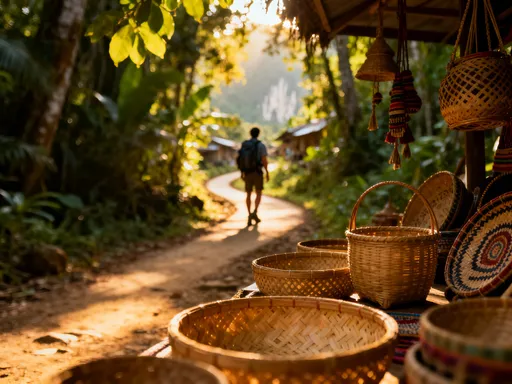
One of the most delightful aspects of hiking in Krabi is the opportunity to discover locally made products that reflect the region’s natural abundance. These items are not mass-produced souvenirs but genuine expressions of resourcefulness and tradition. Handwoven rattan bags, for example, are commonly found at small roadside stands near trail endpoints. Crafted by elders in nearby villages, these baskets are both functional and beautiful, designed to carry produce, tools, or personal belongings. The rattan is sustainably harvested from the forest, cleaned, and woven using techniques passed down through generations.
Equally distinctive are the food items available along the trails. Coconut-based snacks—such as toasted coconut chips, coconut candies, and sticky rice wrapped in banana leaves—are staples in local diets and widely shared with visitors. These treats are often made in home kitchens using traditional methods, such as roasting over wood fires or pounding ingredients with stone mortars. The flavor is richer and more complex than anything found in tourist shops, where products are often imported or heavily processed.
Tamarind syrup and homemade chili pastes are other regional specialties that reveal the ingenuity of Krabi’s home producers. Tamarind trees thrive in the warm climate, and their fruit is boiled down into a thick, tangy syrup used in cooking or diluted as a refreshing drink. Chili pastes, meanwhile, combine fresh chilies with garlic, shrimp paste, and lime, creating bold condiments that enhance everyday meals. These are typically sold in reused glass jars or banana leaf packets, emphasizing the low-waste lifestyle of many rural households.
What makes these products meaningful is not just their taste or craftsmanship, but the stories behind them. A woman selling tamarind syrup might explain how she collects the pods from a tree planted by her grandmother. A man offering chili paste might demonstrate how he grinds the ingredients using a heavy stone tool. These interactions transform shopping into storytelling, and goods into heirlooms. By purchasing directly from producers, travelers support local economies in the most direct way possible—helping families sustain their way of life while preserving cultural heritage.
Connecting with Locals: When a Hike Becomes a Cultural Exchange
Some of the most profound travel experiences occur not in grand monuments or scenic overlooks, but in simple, unplanned moments. On a shaded bench near a trail junction, a farmer might offer you a drink of fresh water from a bamboo canteen. At a rest stop, a child might hand you a piece of ripe mango from a nearby tree. These gestures, small as they may seem, create lasting impressions. They remind us that hospitality is universal, and that kindness often requires no common language.
For those open to deeper engagement, these encounters can evolve into cultural exchanges. A farmer may invite you to try using a traditional hoe or show you how to tap a toddy palm for its sweet sap. You might be encouraged to taste freshly made palm sugar, still warm from the boiling process. These experiences are not staged performances but genuine invitations to participate in daily life. They reflect a generosity that comes from confidence in one’s traditions and a willingness to share them.
Respectful interaction is key to fostering these connections. Learning a few basic Thai phrases—such as “Sawasdee” (hello), “Khob khun” (thank you), and “Aroi mak” (very delicious)—demonstrates effort and appreciation. Avoid intrusive photography; instead, ask permission with a smile and a gesture. When buying goods, accept change in coins without hesitation—many small vendors rely on these transactions for their livelihoods. Most importantly, approach each interaction with humility. You are a guest in their world, and your presence should leave a positive impression.
Compared to brief visits to organized markets, hiking allows for more organic and sustained contact with local life. In a market, exchanges are often transactional and time-limited. On a trail, conversations unfold naturally. You might walk alongside a villager for ten minutes, learning about their crops or family. You might sit together under a tree, sharing stories through gestures and broken words. This kind of slow travel builds empathy and understanding in ways that faster, more structured tours cannot match.
How to Plan a Hike That Includes Meaningful Local Experiences
Planning a hike that leads to authentic cultural encounters requires more than selecting a trail—it involves thoughtful preparation and intention. Start by researching routes known for community access rather than just scenic views. Look for trails that pass near villages, farms, or craft workshops. Online resources, local tourism offices, and eco-lodges can provide up-to-date information on which paths offer the best opportunities for interaction.
Timing is equally important. Scheduling your hike to align with local activities increases the likelihood of meaningful engagement. Early mornings are ideal, as many families begin their workday at dawn—harvesting vegetables, feeding animals, or preparing food for sale. Visiting during harvest seasons, such as mango in April or rambutan in July, allows travelers to witness and even participate in agricultural routines. Some communities welcome visitors to pick fruit for a small fee, creating a fun and educational experience.
Packing with purpose enhances both comfort and ethics. Bring a reusable water bottle to reduce plastic waste and refill at local stalls—many will happily pour water from a large container for a small donation. Carry reusable containers or cloth bags for purchasing snacks, eliminating the need for plastic wrap. Always bring small bills and coins, as vendors in remote areas may not have change for larger notes. These small choices support sustainability and show respect for local customs.
Perhaps the most valuable step is hiring a local guide. While not always necessary for well-marked trails, a guide can open doors that would otherwise remain closed. They know which families are welcoming to visitors, where to find seasonal products, and how to facilitate respectful communication. More than navigators, they are cultural interpreters—explaining customs, translating conversations, and ensuring that interactions are mutually beneficial. Their fees directly support the community, making this choice both practical and ethical.
Balancing Adventure and Responsibility in Krabi’s Natural Spaces
As hiking grows in popularity, so does the need for responsible travel practices. Krabi’s fragile ecosystems—ranging from limestone caves to mangrove forests—are vulnerable to erosion, litter, and overuse. Trails that were once quiet are now seeing increased foot traffic, especially during peak season. Without proper care, the very landscapes that draw visitors can degrade, harming both nature and the communities that depend on it.
Travelers can help by following Leave No Trace principles. This includes carrying out all trash, staying on marked paths to prevent soil erosion, and avoiding loud noises that disturb wildlife. Feeding animals, even with good intentions, should be avoided, as it alters natural behaviors. When resting or eating, choose durable surfaces like rock or compacted soil rather than trampling vegetation.
Equally important is ethical consumer behavior. Purchasing souvenirs from chain shops or imported markets does little to support local families. In contrast, buying directly from producers—whether a woman selling chili paste at a trailside stall or a man offering hand-carved wooden spoons—ensures that money stays within the community. These purchases are not just transactions; they are investments in cultural preservation and economic resilience.
Sustainable hiking also means being mindful of resource use. Avoid single-use plastics, conserve water, and choose eco-friendly accommodations when possible. Some guesthouses in Krabi now offer refill stations for water bottles, compost toilets, and solar power—signs of a growing commitment to environmental stewardship. By aligning your choices with these values, you contribute to a tourism model that protects both nature and culture.
Why This Kind of Travel Stays With You
Years after a trip, most people don’t remember the name of the hotel they stayed in or the exact shade of blue in a postcard view. What lingers are the human moments—the taste of warm palm sugar on your tongue, the sound of a grandmother laughing as she taught you to weave a leaf basket, the feeling of being welcomed into a space not designed for tourists. These are the memories that endure, not because they were perfect, but because they were real.
Hiking in Krabi offers more than physical challenge or visual beauty. It provides a framework for deeper connection—to the land, to its people, and to the quiet rhythms of a life shaped by nature. When you walk through a village at sunrise and share a simple meal with a farming family, you gain insight that no brochure can convey. You begin to understand how culture is not a performance but a lived experience, woven into every meal, every tool, every greeting.
This kind of travel changes the way you see the world. It teaches patience, humility, and gratitude. It reminds you that the best experiences are often unplanned, that the most valuable souvenirs are not things but stories. And it encourages a slower, more intentional way of moving through unfamiliar places—one that prioritizes respect over consumption, connection over convenience.
So the next time you plan a trip to Krabi, consider stepping off the beaten path—literally. Choose a trail that leads not just to a view, but to a village, a workshop, a conversation. Let your hike be more than a workout. Let it be a journey into the heart of what makes this place unique. Because the real treasure of Krabi isn’t just its limestone cliffs or turquoise waters. It’s the people who live among them, and the quiet moments of connection waiting just beyond the trailhead.